Our model

Owned by the teachers who teach you.

Signal is a real cooperative, not a label on a marketing page. The teachers who run your class also run the studio, together with the administrator who keeps it working. They set the curriculum, plan every class, and stay because the work is theirs. For you, that means a teacher who is still there next year, and a price that isn't engineered to be sold.

"The studio belongs to whoever shows up to teach. That is the whole legal structure, written in one sentence."

From the founding charter, March 2026
Where your fee goes

Your fee pays the people who teach you.

Most online schools route the majority of your fee to the platform, then pay teachers a per-hour cut of what's left. Signal is owned by the people in the classroom: what you pay funds your teacher, the materials, and the small team that keeps the studio running. There are no outside shareholders to feed.

Worth saying plainly. There are no investors, no holding company, no parent brand. The cooperative has six members today (five teachers and one administrator) and intends to keep growing with new teacher-members.

The members

Six members, one vote each.

Five teachers and one administrator, each holding one share of the cooperative and one vote at the assembly.

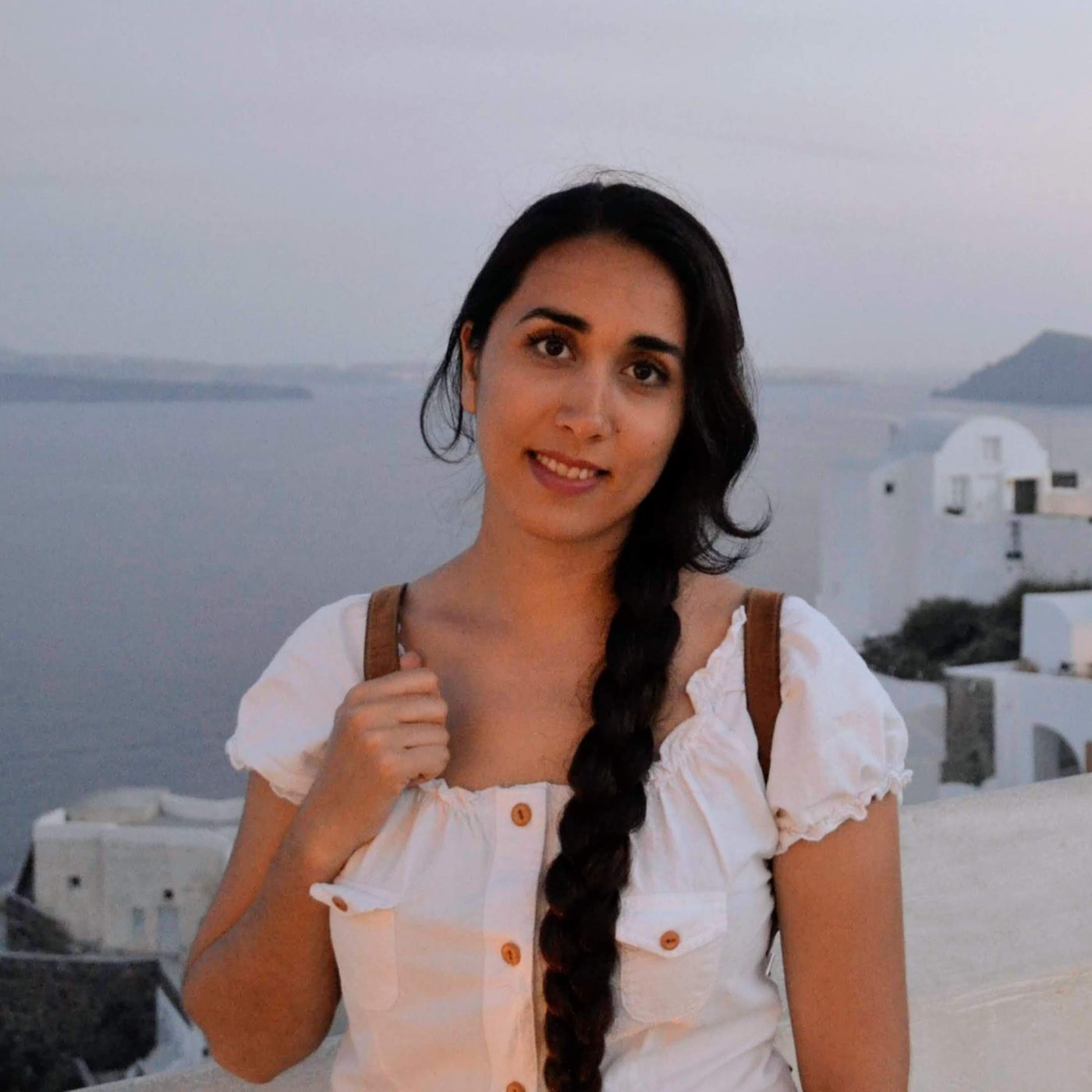
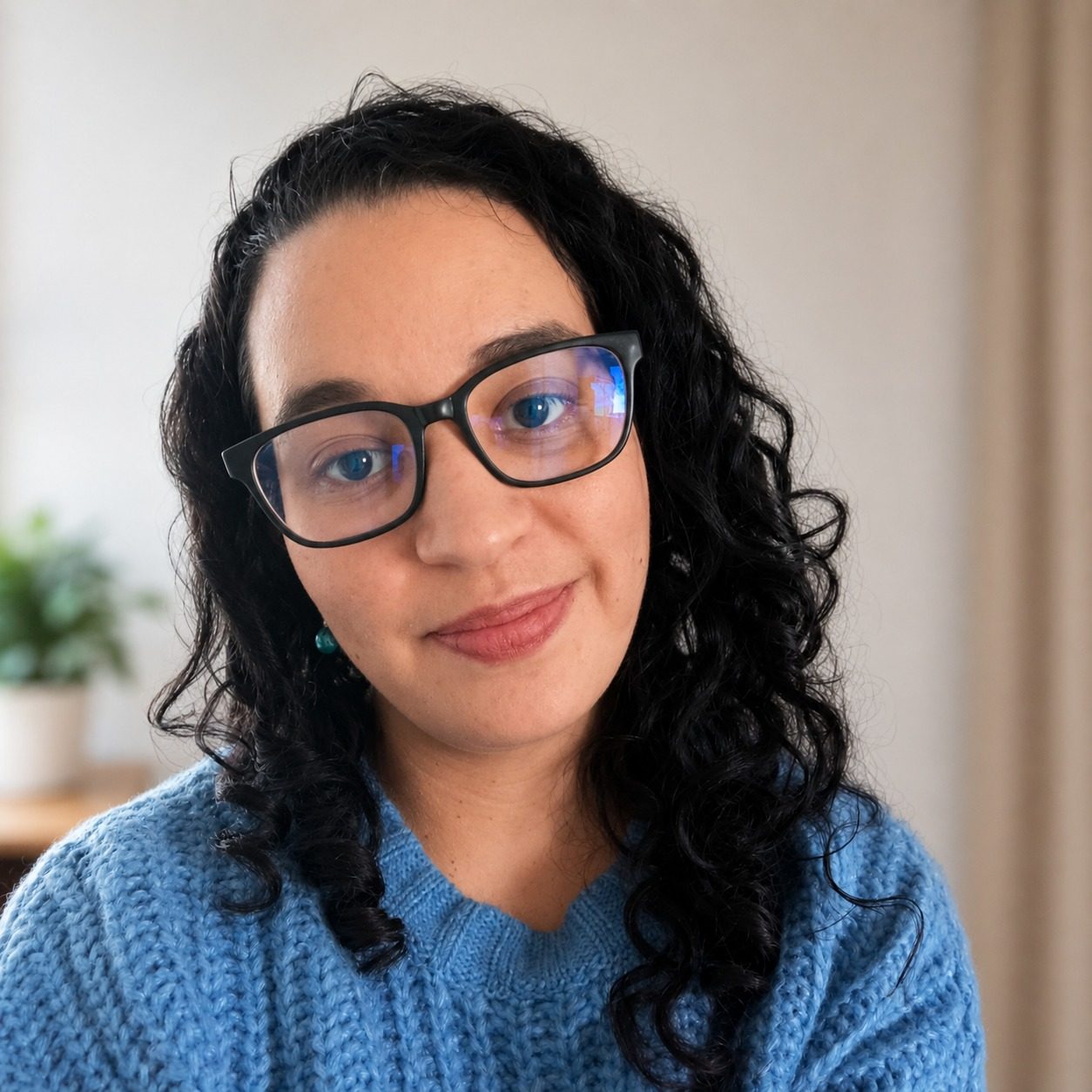
Portrait of Florencia M. Álvarez
Córdoba, AR Co-op member Prof. de Inglés, UNRC

Florencia M. Álvarez

Florencia trained as a Profesora de Inglés at the Universidad Nacional de Río Cuarto, graduating with the highest average in her class, with a research scholarship in linguistics in Aguascalientes, Mexico. She has taught for over fifteen years, specializes in international exam preparation, and has worked online since 2019. Before Signal she was a coordinator at an international institution, designing curricula and training teachers in digital classrooms.

She teaches Cambridge exam prep, general English, and conversation.
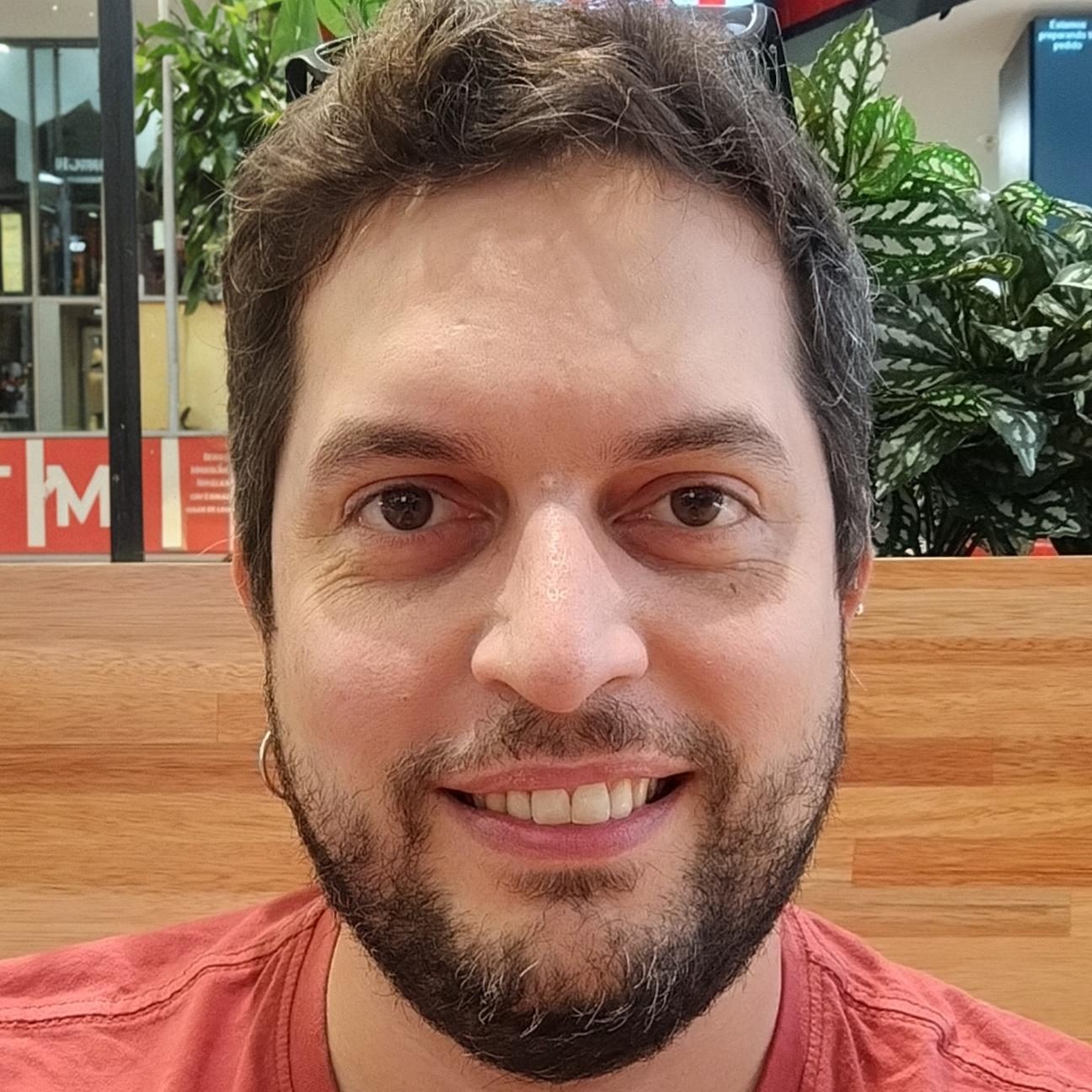
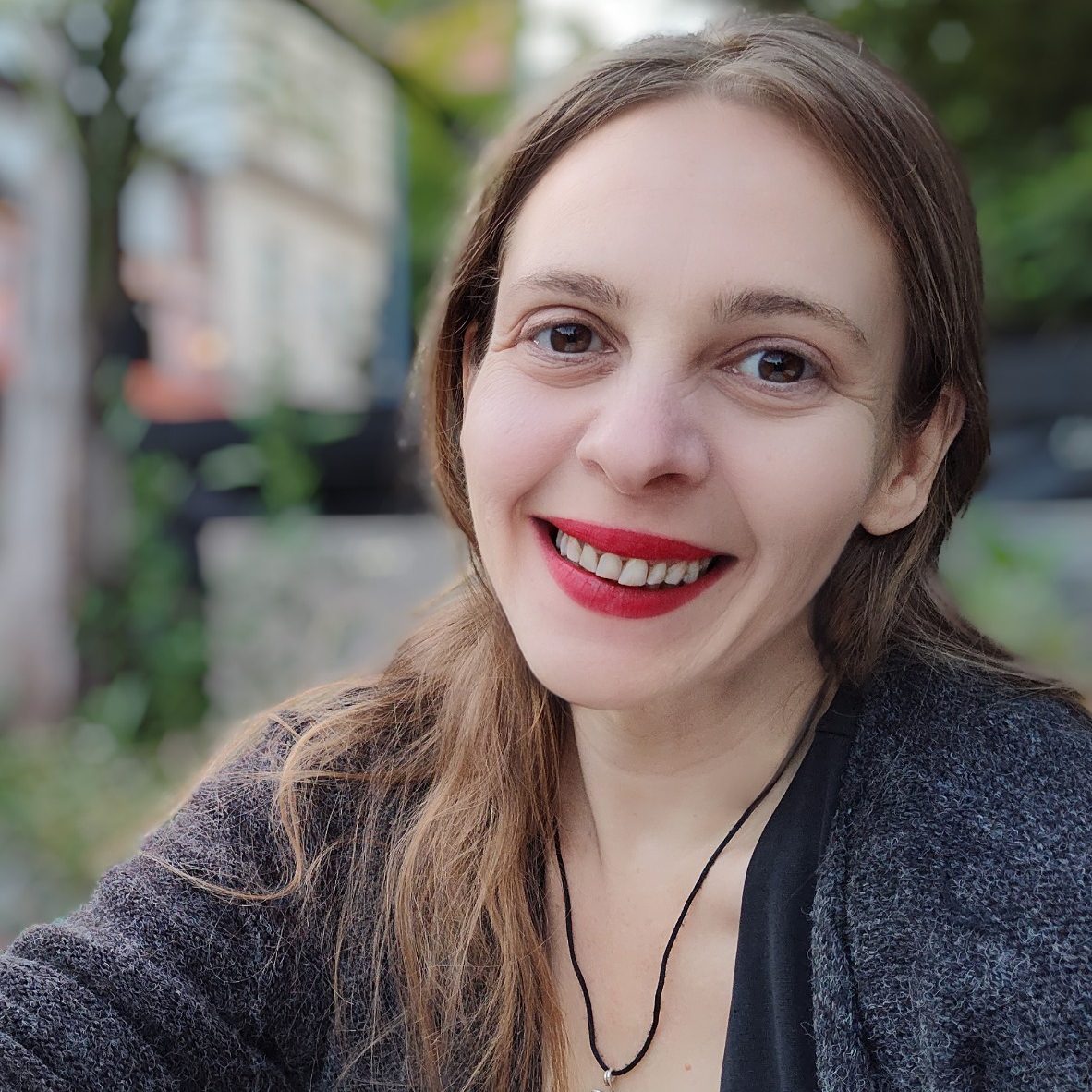
Portrait of Reuben Morgan
São Paulo, BR Co-op member CELTA + DELTA M2

Reuben Morgan

Reuben has taught English for over fourteen years, to students of every age and level, and has examined renowned international speaking exams since 2015. He has trained teachers in Brazil and Uruguay with Cultura Inglesa, International House, IPA, and IFES, taught in Brazil's federal English without Borders program at the Universidade Federal de Sergipe, and worked with the British Council Buenos Aires within Plan Ceibal.

He teaches Cambridge exam preparation, business English, and conversation.
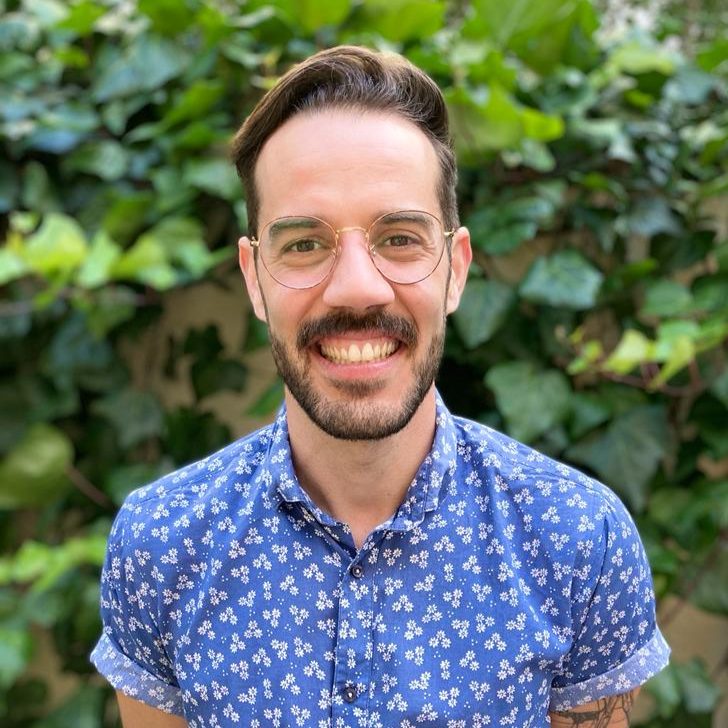
Portrait of Heather J. Seltzer
Buenos Aires, AR Co-op member CELTA + DELTA, Merit

Heather J. Seltzer

Heather has taught English as a second language for over ten years in international contexts, as a teacher, senior teacher, director of studies, and teacher trainer. In Ecuador she worked with a government IELTS preparation program that helped students win places at universities abroad; in Argentina she has specialized in exam preparation, business English, and conversation. Her classes run on real-life tasks and collaborative work, in a warm room where students can take risks.

She teaches conversation, business English, and Cambridge exam preparation.
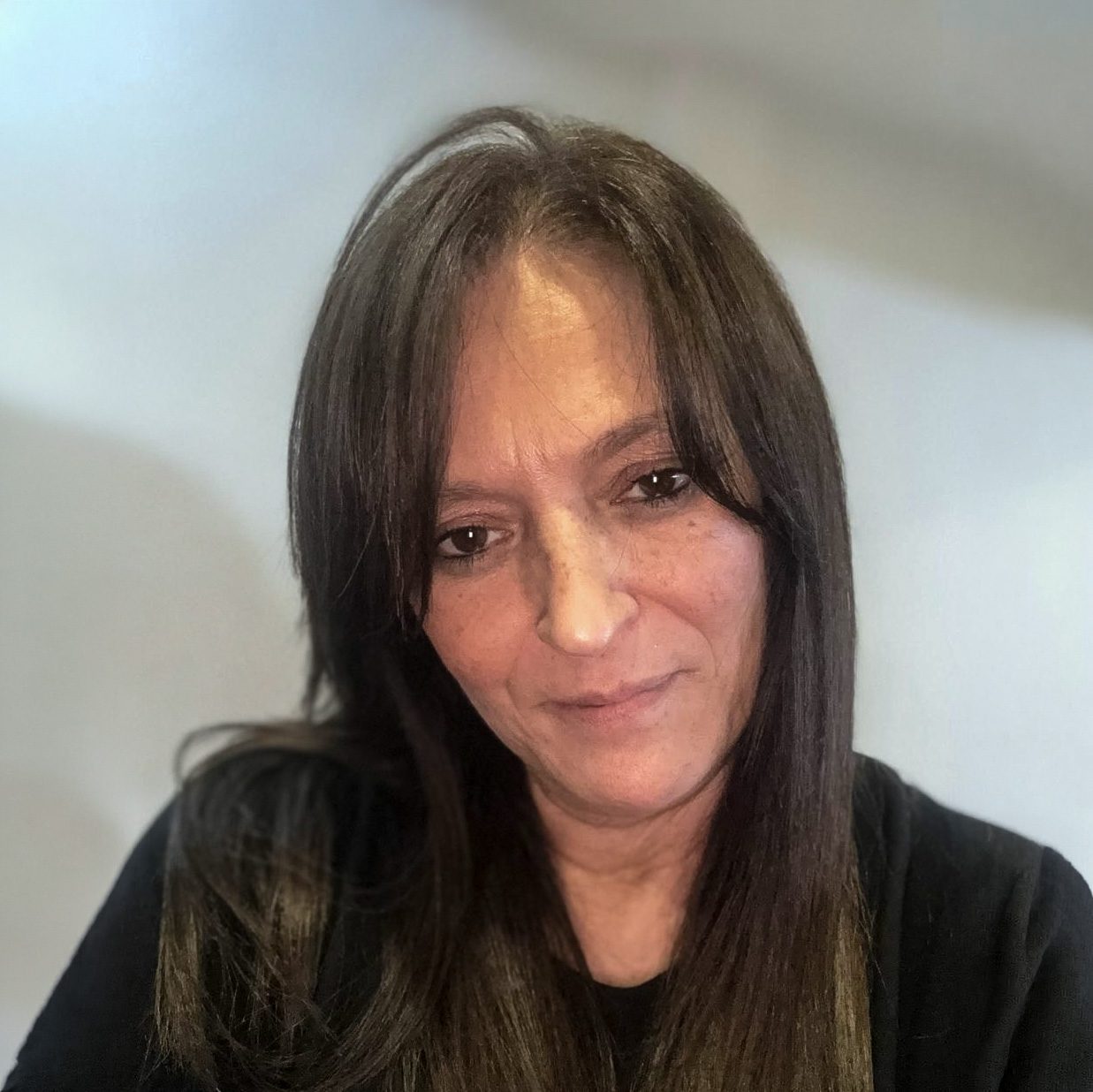
Portrait of Ricardo Costa Silva
São Paulo, BR Co-op member Letras (UFS) + CELTA

Ricardo Costa Silva

Ricardo has taught English for over fifteen years, in language institutes and bilingual schools across Brazil, Argentina, and Uruguay. He holds a degree in Letras from the Universidade Federal de Sergipe, a CELTA specialization in English language teaching, and examines for prestigious international boards. Most of his work is online, in small conversation-focused groups: dynamic, clear classes built around real use of the language and active participation.

He teaches conversation, general English, and Cambridge B2 First / C1 Advanced preparation.
Portrait of Andrea Saleme
Mendoza, AR Co-op member Administration

Andrea Saleme

Andrea does not teach. She has administered English institutes for twenty-five years, and at Signal she runs enrollment, inquiries, communication with families, and the administrative support that keeps students and teachers working. Her background in educational administration, together with her training as an architect, urban planner, and real estate technician, gives the studio an organized, approachable, solution-first operation. Her vote at the annual assembly carries the same weight as any teaching member's.

She runs enrollment, billing, student support, and the annual books.
Portrait of Diana Mendoza
Montevideo, UY Co-op member TESOL + CELT-P

Diana Mendoza

Diana has taught English for twelve years in language institutes, in person and online, mainly in Uruguay and previously in Venezuela, mostly to adults and always communicatively. Since 2021 she has examined International House national exams, was part of Plan Ceibal, and trained in dialogue facilitation with Soliya.

She teaches conversation and general English for adults.
How decisions get made

One member, one vote. Everything important goes through the assembly.

There is no founder-CEO with a controlling share. The cooperative's rules are short, in plain Spanish and Portuguese, and posted in the members' area.

One member, one vote

Equal weight at the table.

Every member holds the same single vote at the assembly. Seniority does not buy voting power.

Annual general assembly

Once a year, every member, in person or by video.

The full membership meets in late March to approve the books, set the year's curriculum direction, and vote on admissions and hiring.

What the assembly decides

The three things no one decides alone.

Curriculum direction, admission of new members, and the price you pay (in each currency). Everything else is delegated.

What the studio runs day to day

Teaching, scheduling, support.

Andrea and a small rotating committee handle billing, the level test, and student support between assemblies. They report to the membership every quarter.

A regional tradition

Signal sits in a long line of cooperative work in the region.

Argentina has more than 400 worker-recovered enterprises that have operated as cooperatives since the 2001 crisis. Uruguay's FCPU coordinates over 600 housing and worker cooperatives, including some of the country's oldest. Brazil has professional cooperatives in medicine, engineering, and education going back to the 1970s. Signal is a small contribution to a regional practice that already exists, in three countries that already understand the form.

Sources: FCPU, OCB (placeholder citations)
Your first step

Book your free level test.

Thirty minutes online with the studio, free. We assess your level and talk about what you need. Then we match you with the right teacher. If you want the receipts first, our annual transparency report covers fees, scholarships, and assembly minutes.